
1883-1976
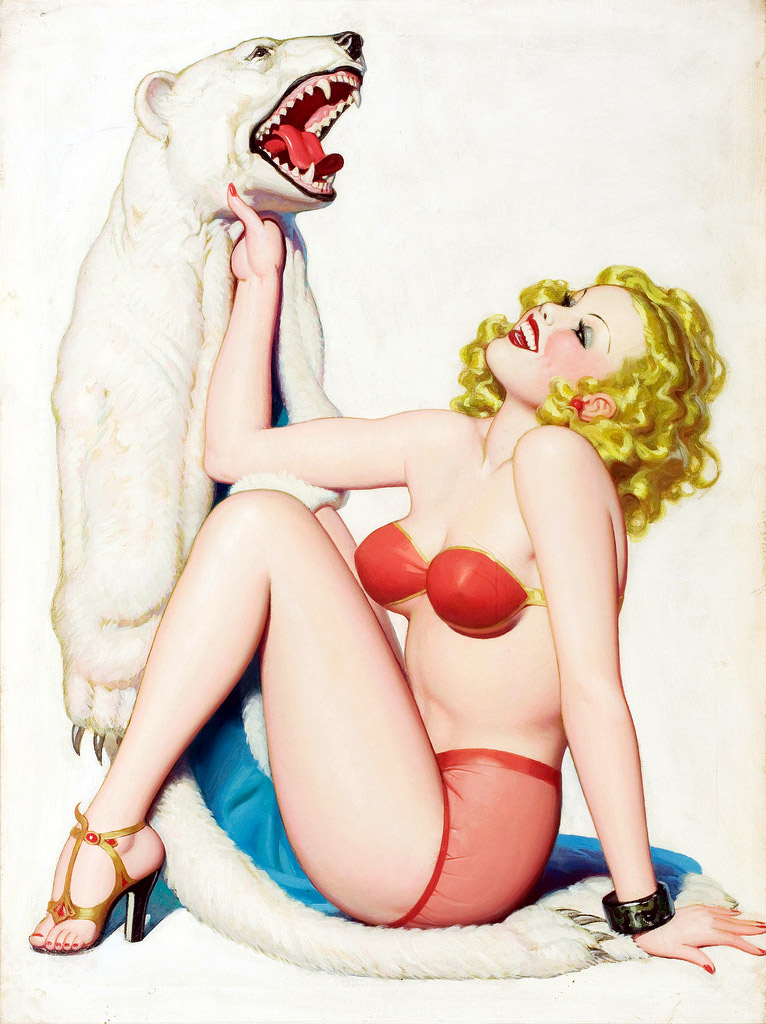
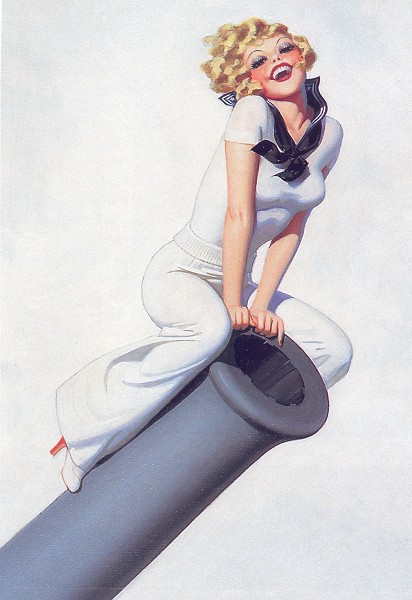
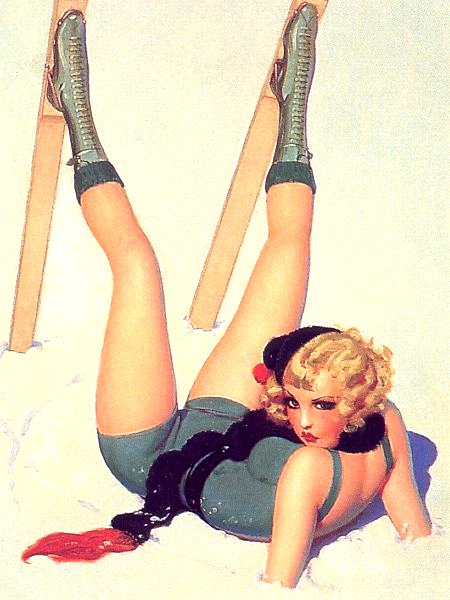
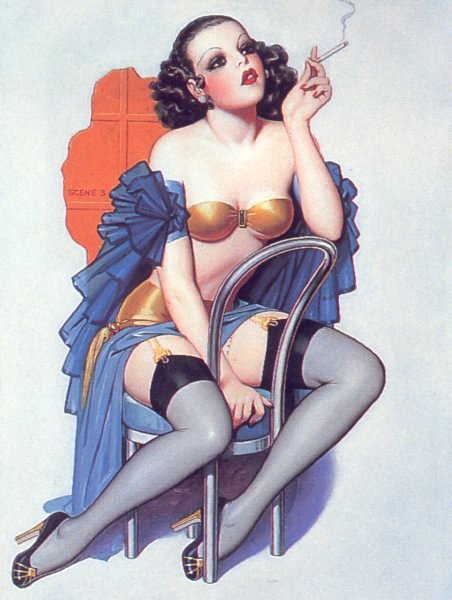
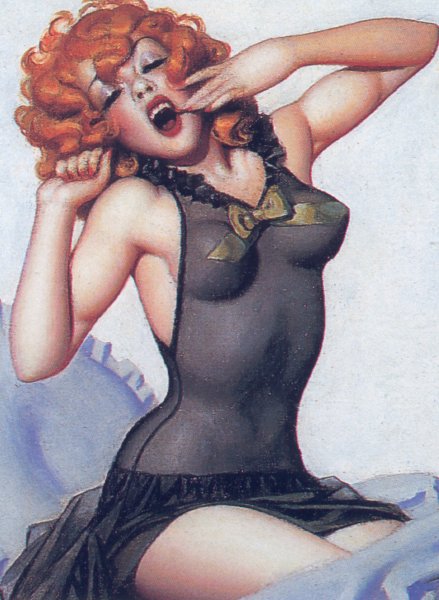
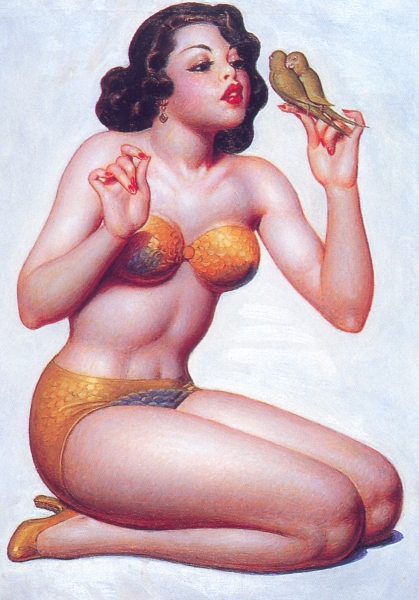
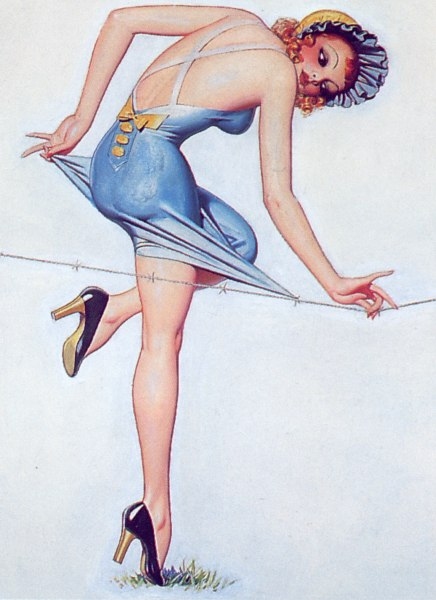
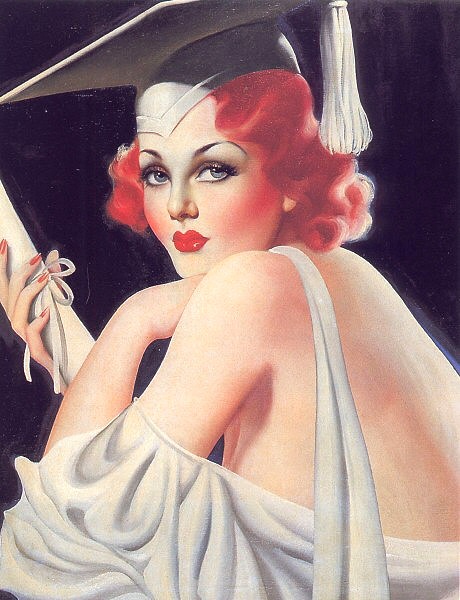
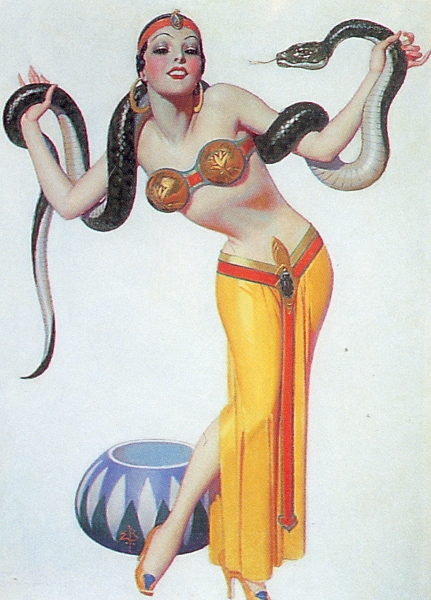
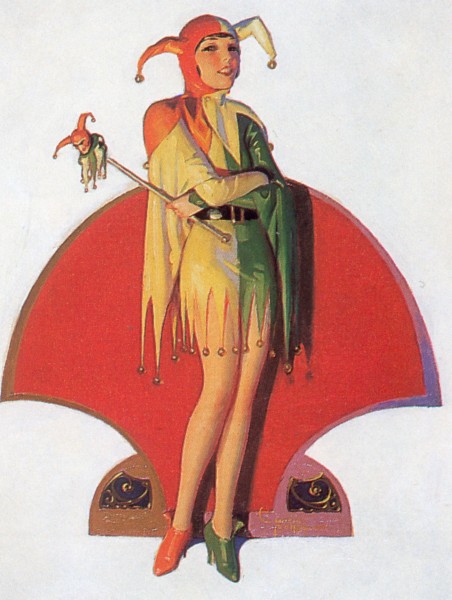
Enoch Bolles' pin-up girls were fun-loving and sexy, often provocative in their poses but occasionally caught in embarrassed or slightly self-conscious moods.
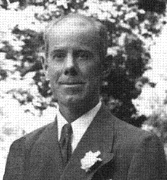
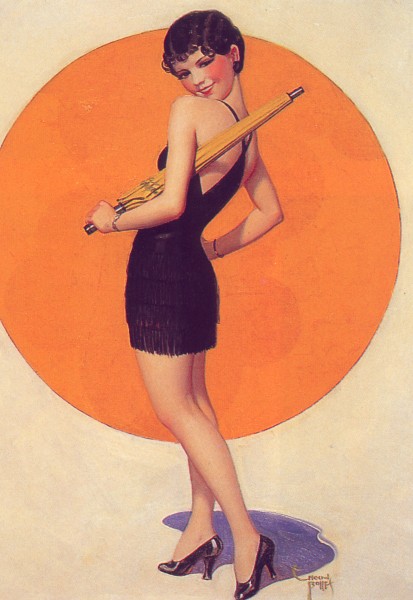
Bolles' art - both in terms of technique and subject matter, the playful, yet somewhat racy flapper girl - clearly exerted a strong influence on many artists of his time. Only Alberto Vargas and George Petty surpassed Enoch Bolles in terms of fame during this period.
Bolles began his career in 1915, when he was hired by the Dell Publishing Company to paint front covers for its line of spicy pulp magazines. He, like many other pin-up artists of the early Art Deco era, found a ready-made audience among the mostly male readership of the pulps. Film Fun was the pin-up magazine that immortalized the Bolles name. From 1921 to 1948, it carried his cover-art pinups which the American public came to recognise almost as much as the Petty Girl from Esquire. Bolles worked for many other pulps, including Coy Book and Cupid's Capers, which invited him to design their inaugural covers, and Spicy Stories, which had the biggest circulation among such magazines.
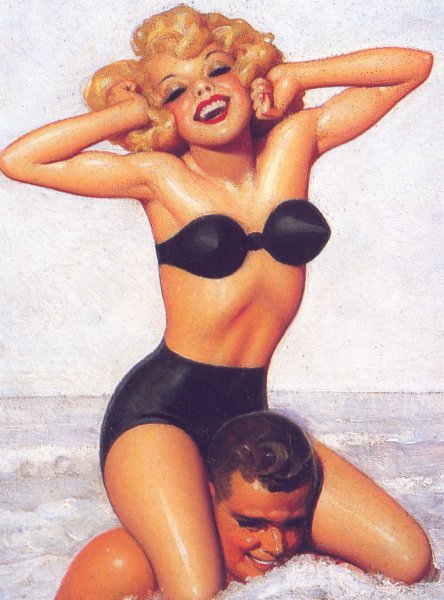
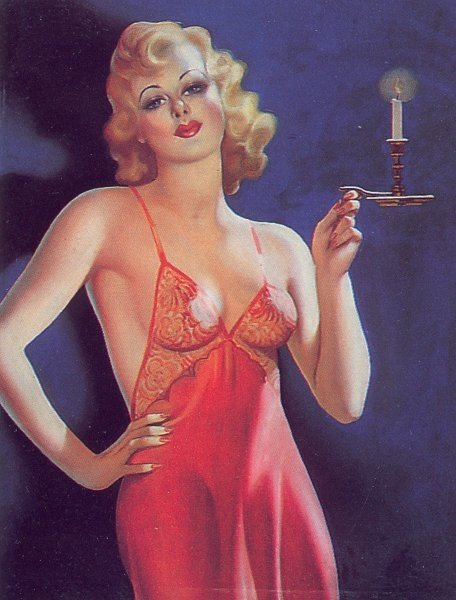
Usually full of energy and brimming with health and a sense of adventure, his pinups had almost childlike faces that contrasted with their sensual bodies. Bolles often incorporated Art Deco backgrounds, spotlights and other props, and clothing such as flimsy negligees and wet bathing suits into his work.
The wide variety of primary colours he employed was notable at a time when many of his contemporaries were using much more subdued tonal schemes. Although Bolles was a prolific artist, only a handful of his original paintings exist today.
Very little is known about Bolles' life. Probably born in the Chicago area, he worked in New York City, where he could be near the many publishing houses specializing in pulps and racy men's magazines in the 1920s and 1930s. It is rumoured that Bolles had emotional problems near the end of his life that led him to over paint some of his Film Fun covers, creating horrific expressions on his formerly fun-loving pin-up girls.
Enoch Bolles biography borrowed from The Great American Pin-Up by Charles G Martignette & Louis K Meisel.
All Pin-up Files gallery images are subject to copyright and must not be considered to be in the public domain. All copyright information is shown where known.
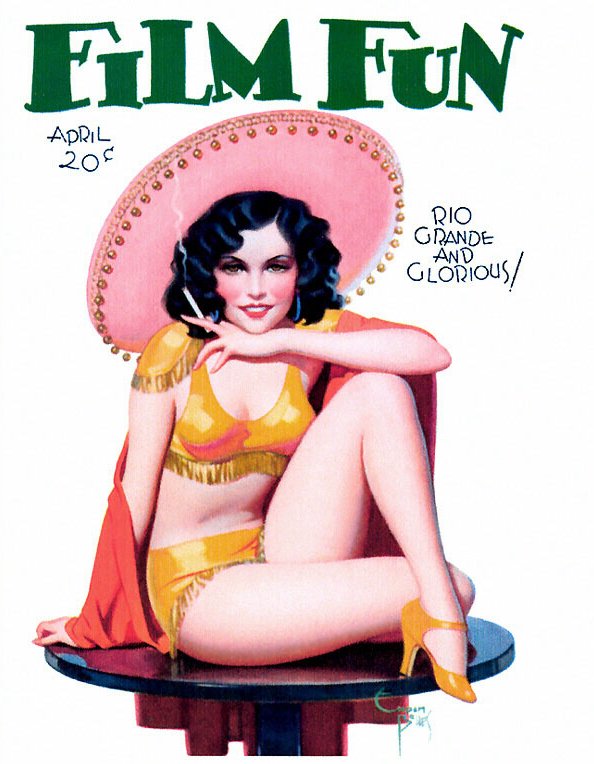
Date: 1933
Notes: Film Fun
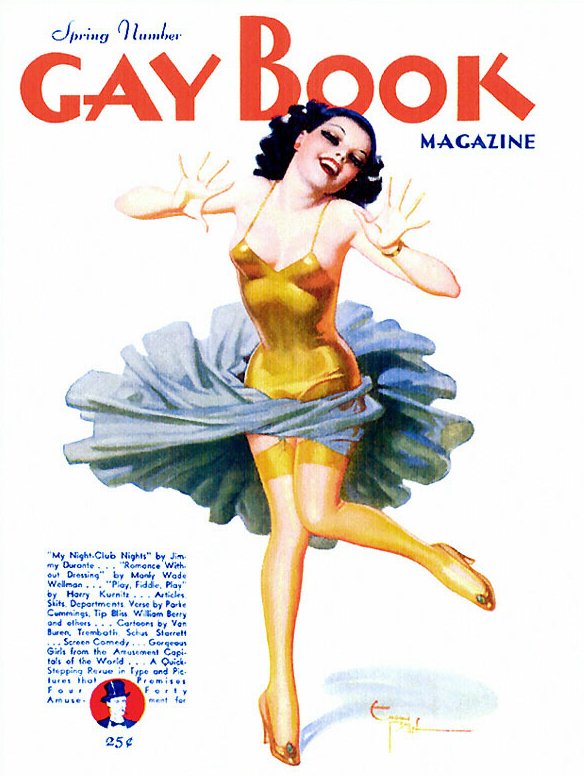
Date: 1934
Notes: Gay Book
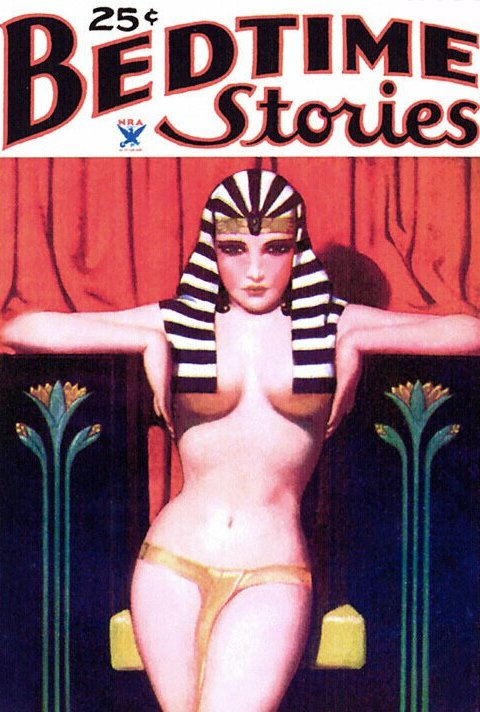
Date: 1934
Notes: Bedtime Stories
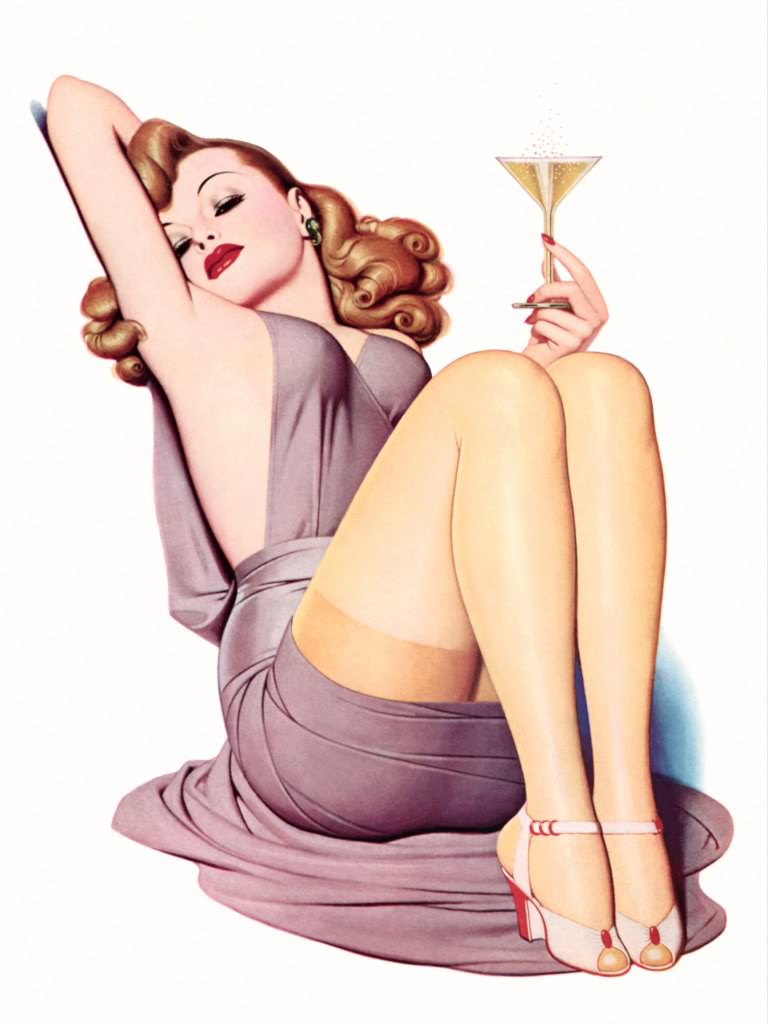
Date: 1941
Notes: Film Fun
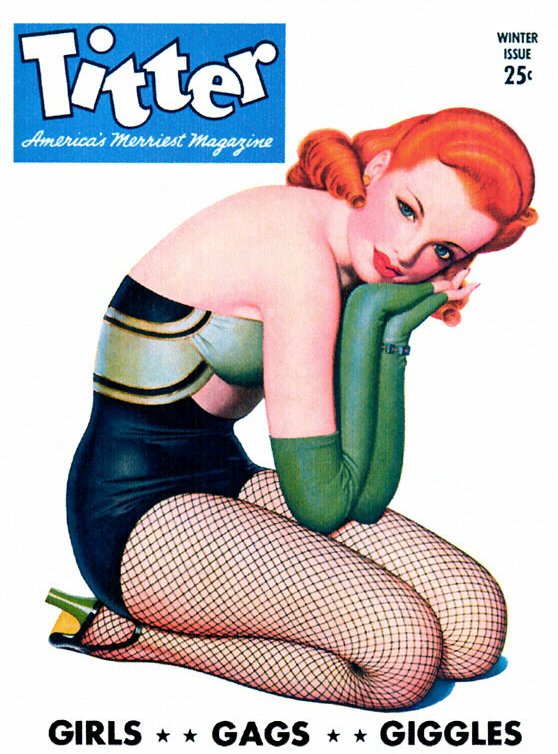
Date: 1943
Notes: Titter
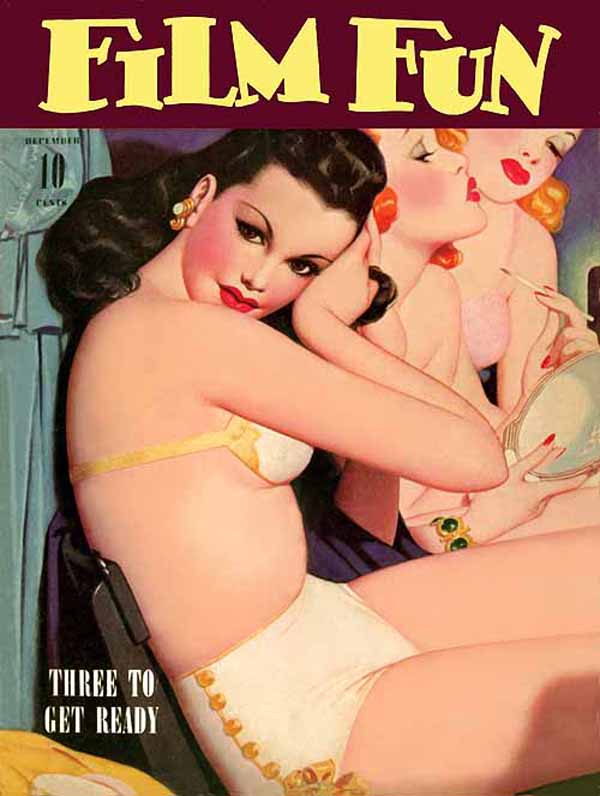
Title: Three To Get Ready
Notes: Film Fun
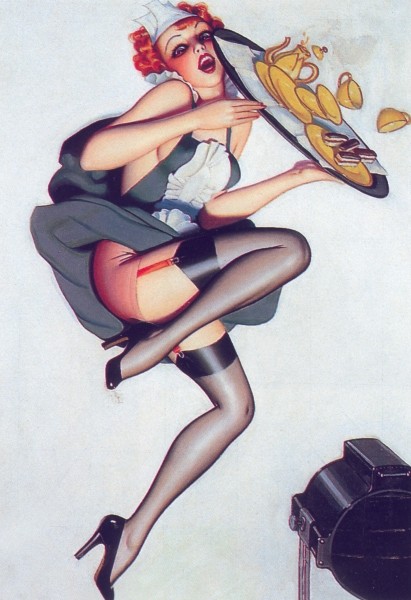

 Buy retro lingerie & nylons